

29 November 2021
Traffic safety on the railway was discussed in Almaty
On November 25 and 26, 2021, the International Congress "Innovative Technologies in Logistics, Transport and Education" was held at the Academy of Logistics and Transport in Almaty, within the framework of which the Eurasian Forum on Security and Digitalization in Railway Transport took place.
The event was organized by JSC "NC "KTZ", JSC "Transtelecom" and the Academy of Logistics and Transport. Representatives of state bodies, railway administration, scientific and expert communities, educational institutions and project organizations of Central Asian and CIS countries gathered at the platform for constructive dialogue.
The participants discussed issues of digitalization and automation of processes aimed at ensuring the safety of train traffic, and measures to reduce accidents during transportation.
According to Marat Shakenov, Director of Traffic Safety of JSC NC KTZ, digital development and the introduction of innovations at infrastructure facilities contribute to reducing the risk of safety violations in railway transport.
Among the reasons affecting traffic safety, he named collisions with unauthorized persons, traffic accidents at railway crossings, objects placed on the track, and adverse weather conditions.
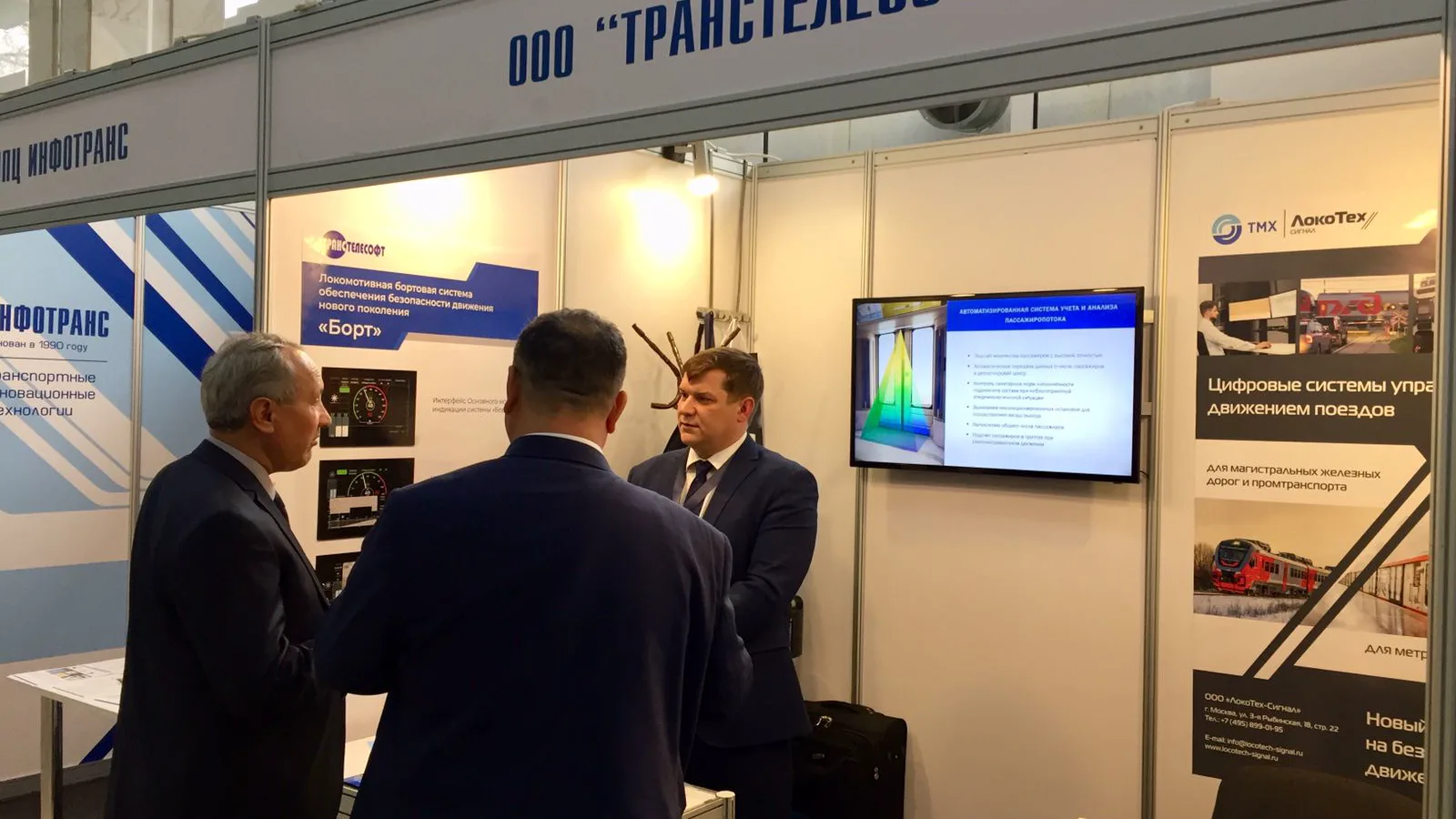
Special attention from visitors and forum participants was given to the presented locomotive safety system "BORT" developed by Transtelesoft. The system is designed to ensure the safety of all types of rolling stock operated on railway sections equipped with various automatic signaling devices. The digital platform integrates auto-driving, video recording and coordination functions.
In his report, Evgeny Belousov, General Director of Transtelesoft LLC, presented the advantages of solutions already implemented in Kazakhstan and the prospects for their application on the railways of CIS countries.
Overall, JSC NC KTZ has shown a positive trend in safety indicators over the years. Since the beginning of the year, the total number of violations at the company has been reduced by 17.5 percent — achieved through automation of safety management systems and a risk-based approach.