

25 June 2025
Transtelesoft, part of the TMH Intelligent Systems group, at the "Engineers of the Future" forum
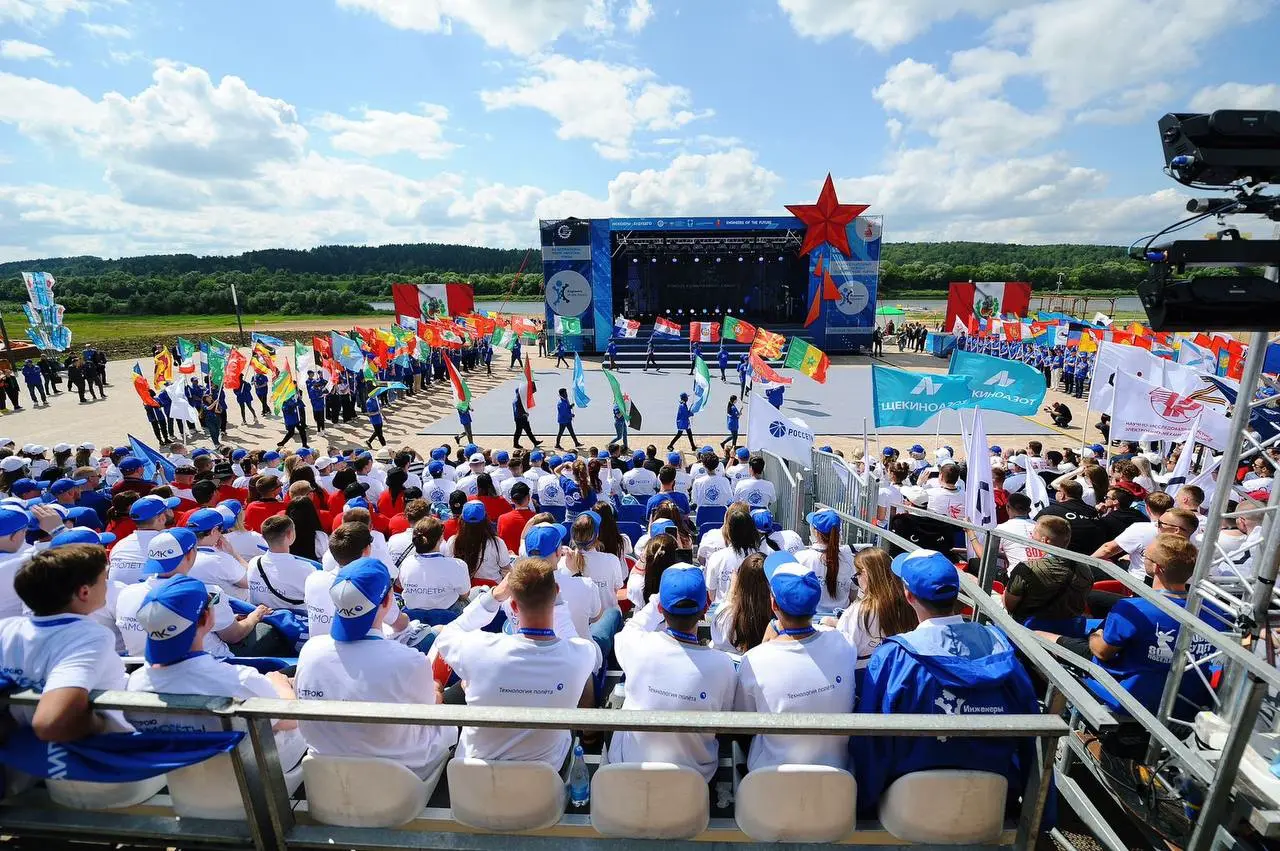
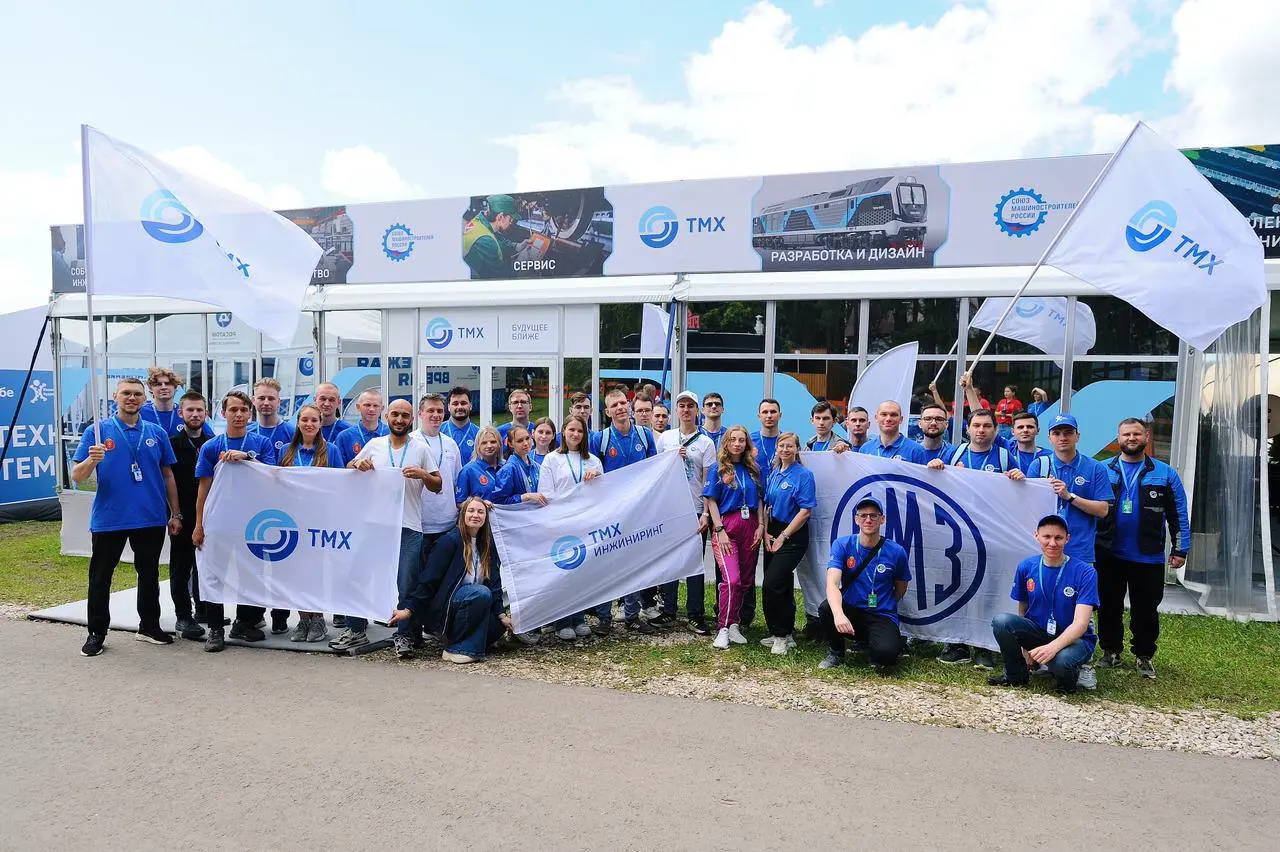
The International Youth Forum "Engineers of the Future" was held in the Tula Region, near the town of Aleksin. As in previous years, TMH was represented there by a large delegation made up of specialists from a wide range of professions.
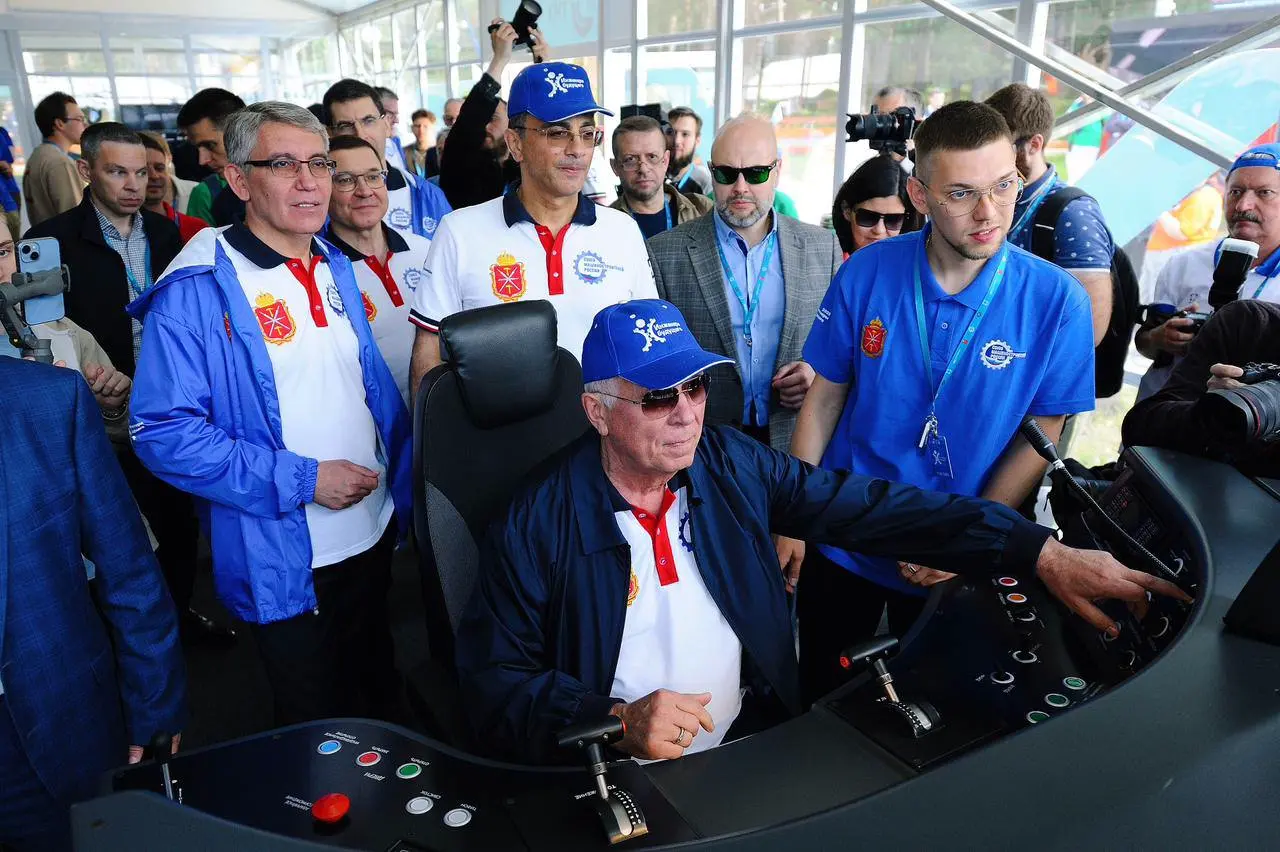
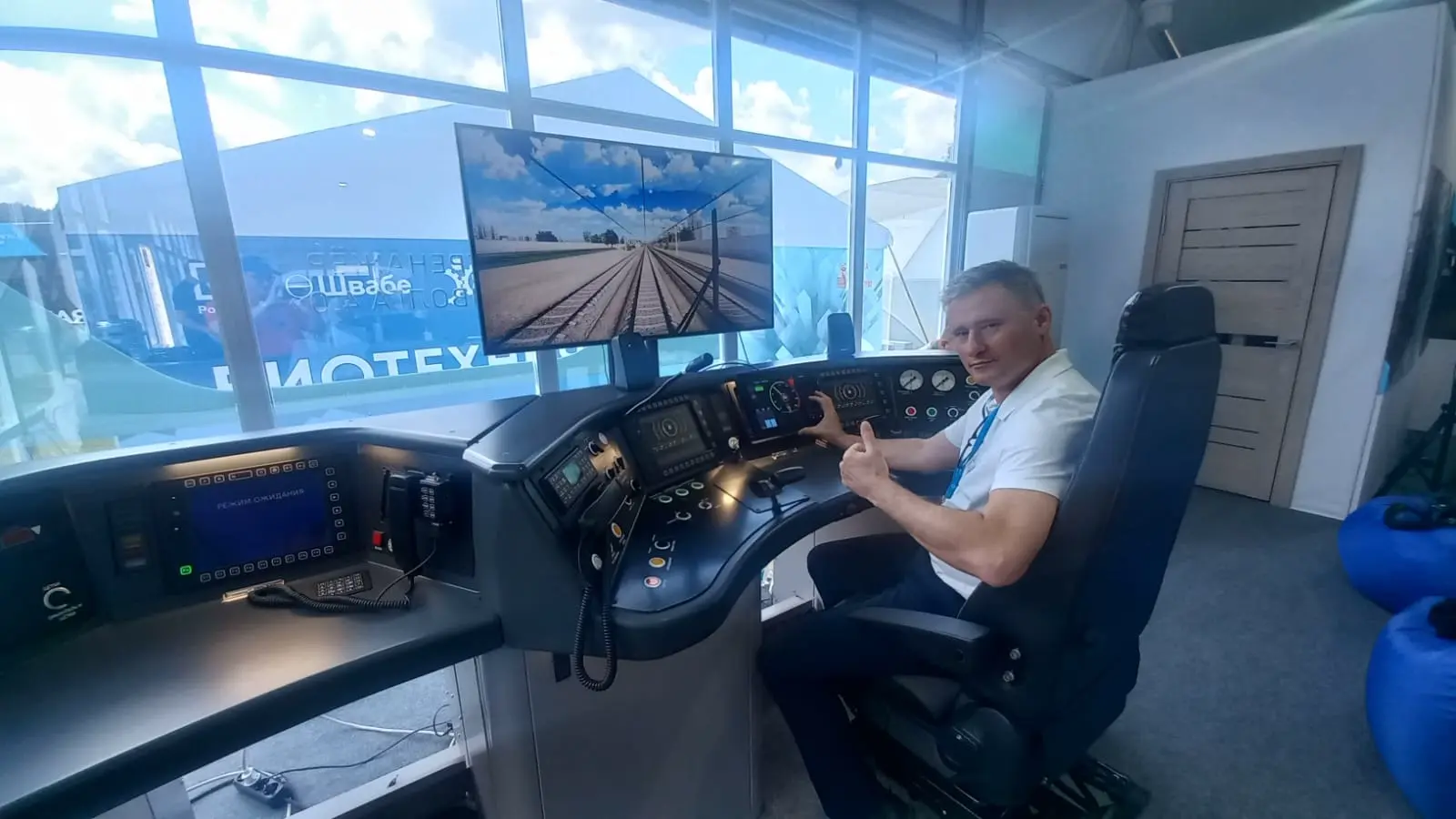
On the opening day of the forum, the TMH exhibition was visited by Sergey Chemezov, head of the Rostec state corporation, Dmitry Milyaev, Governor of the Tula Region, and Vladimir Gutenev, Chairman of the Bureau of the Union of Machine Builders of Russia. Sergey Chemezov tried out a stand simulating the driver's cab of the Ivolga 4.0 electric train. The guests were told about the specifics of operating rolling stock by Daniil Zhuravlev, lead engineer at the Demikhovo Machine-Building Plant.
TMH's delegation at the forum included representatives of the Kolomna, Demikhovo, Bryansk, Novocherkassk and Tver plants, as well as Penzadizelmash, Metrovagonmash, Metrovagonmash-Service, TMH-Technologies, TMH-Engineering and other organizations that are part of the holding's large family.
In the TMH exhibition tent at the "Engineers of the Future" youth forum, TMH Intelligent Systems diagnostics engineer Denis Prostoserdov gave a lecture titled "Basic principles and methods of predictive diagnostics in the onboard systems of modern locomotives."
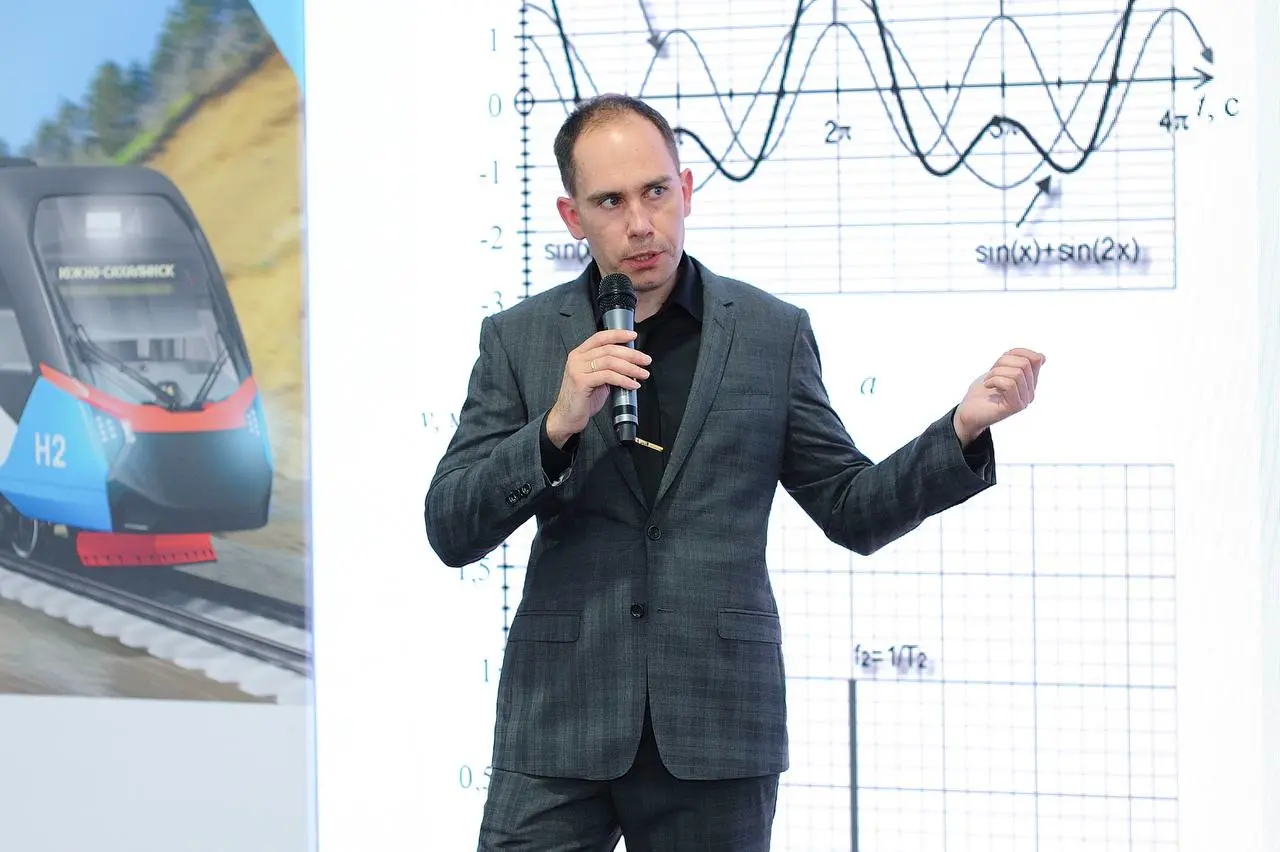
In his talk, he covered approaches to diagnostics and the development of the BKPD system (onboard predictive diagnostics complex). He addressed topics such as the types of analytics used, international and domestic experience in predictive diagnostics, technical solutions for diagnosing a locomotive's running gear, the theoretical fundamentals of vibration diagnostics, and the requirements for vibration diagnostic procedures.
During his presentation, Denis described in detail the key aspects of developing the BKPD system.
"The project's practical results are already demonstrating high effectiveness. A BKPD prototype has been successfully installed on a 2ES5K electric locomotive, where the system successfully detects deliberately introduced defects. The vibration and current diagnostic algorithms for traction motors have passed verification," Denis noted.
The potential benefits of deploying the BKPD system are impressive: the complex is expected to detect up to 43% of category 1–2 failures in the equipment being diagnosed. This will significantly improve the reliability and safety of rail transport.
The features of developing and designing railway automation and telemechanics control systems were the topic of a lecture held in the TMH exhibition tent at the "Engineers of the Future" youth forum.
Anton Vasilyev, Technical Director of TMH Intelligent Systems, presented participants with a detailed analysis of the train movement process and the specifics of designing railway automation systems (ZhAT).
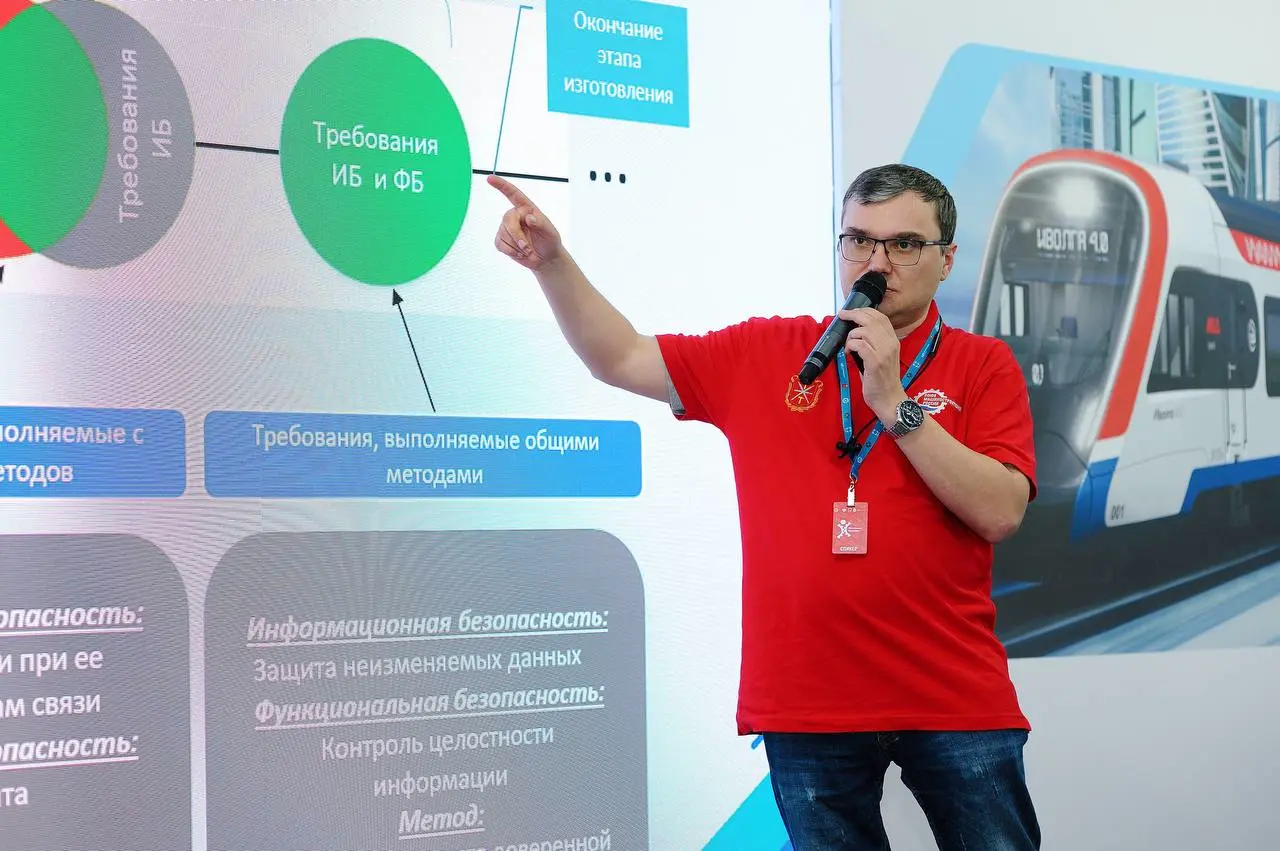
In his talk, he paid special attention to this high-responsibility process, in which any deviation of parameters can lead to serious consequences.
The main focus of the presentation was on ensuring train traffic safety. Vasilyev spoke in detail about interval train control systems on open track sections and station control systems, emphasizing their key role in preventing accidents.
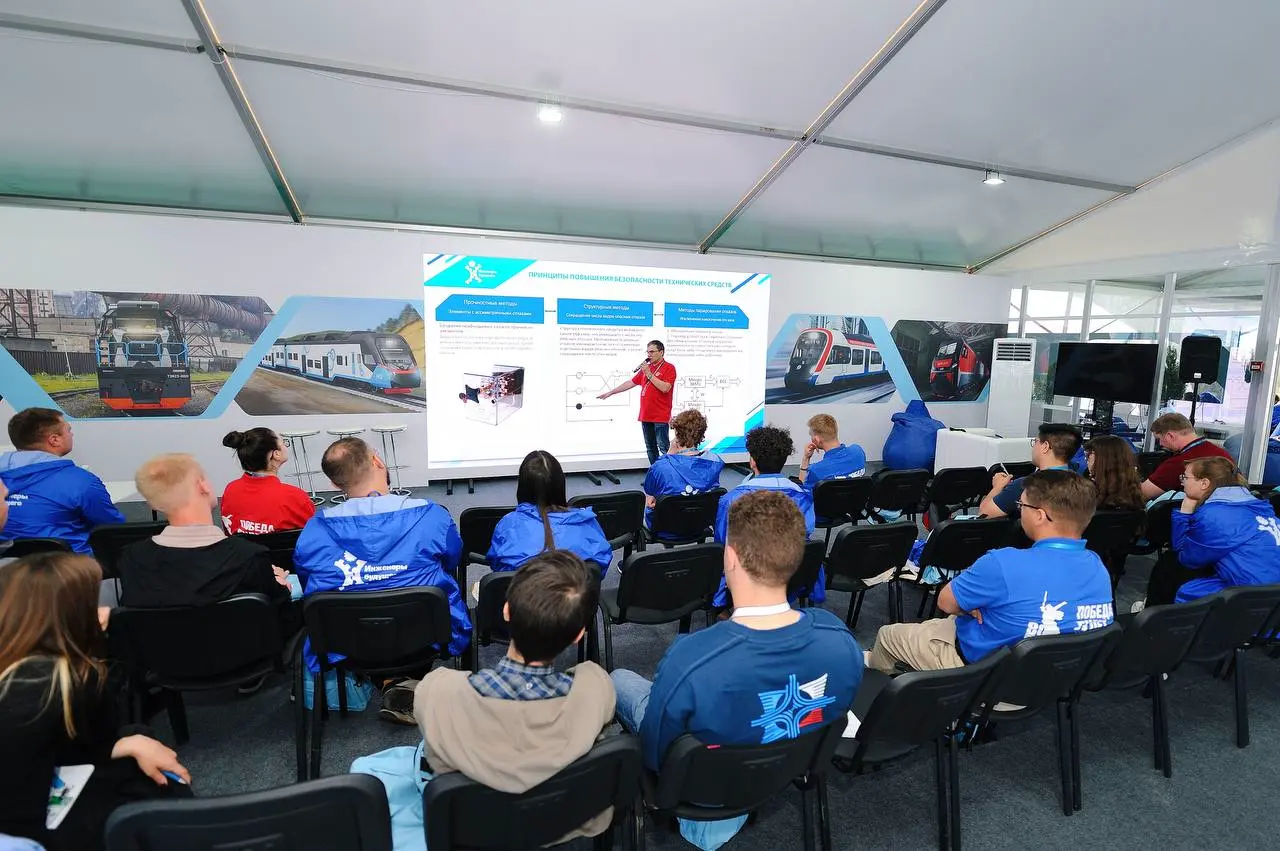
Current trends in the development of railway automation were presented through the lens of the transition to a microprocessor-based component base.
"The transition to a microprocessor-based component base opens up new possibilities for creating a unified digital train traffic control system and improving the monitoring and quality of traffic management. This helps make train schedules more stable and reduces costs both during the transition and in operation," Vasilyev noted.
A key aspect of the presentation was examples of digital technology applications and open questions raised in the industry.
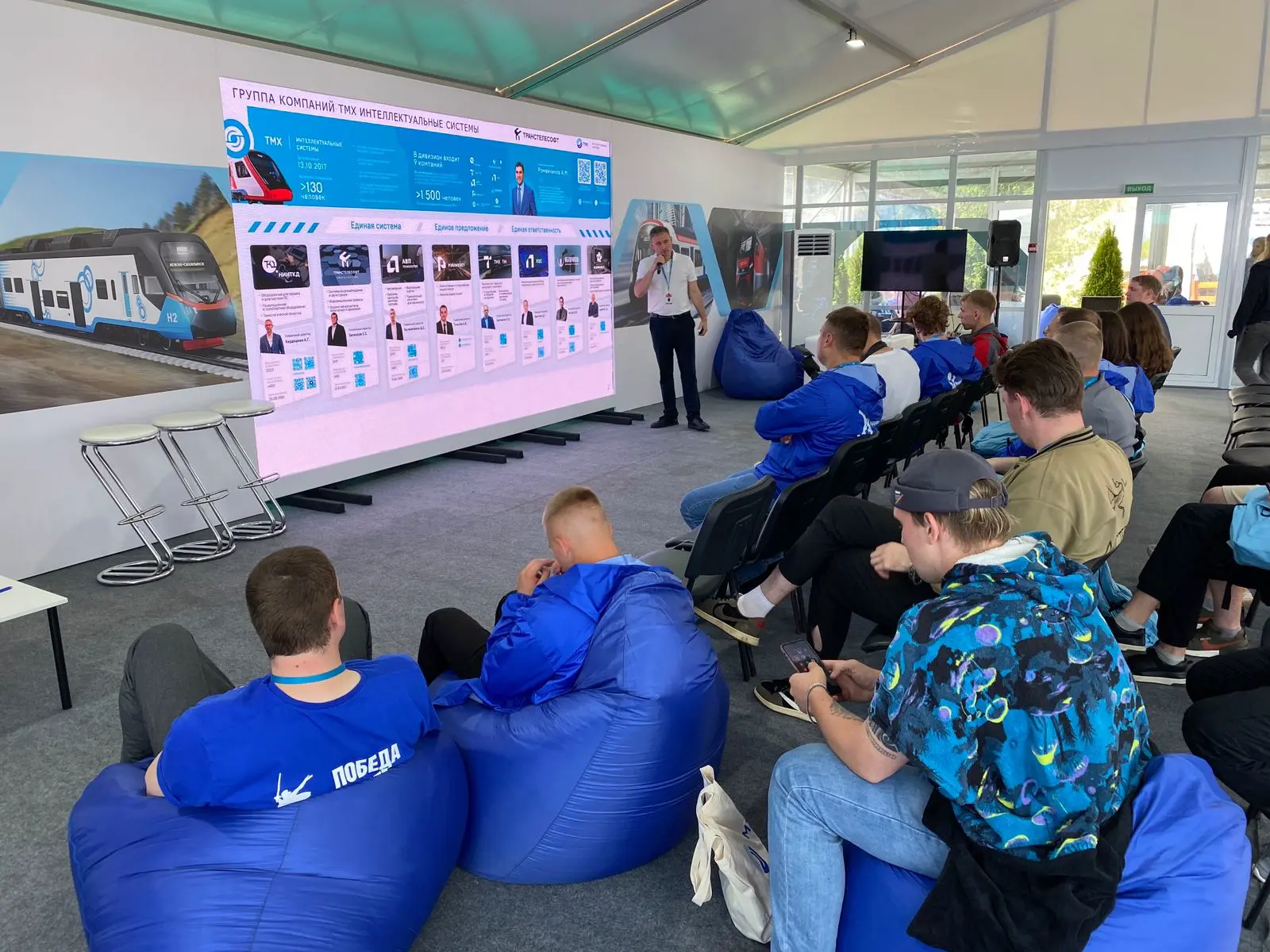
Dmitry Volkovsky, Head of the Development Department at Transtelesoft (part of the TMH Intelligent Systems division), spoke at the "Engineers of the Future" forum with a presentation titled "Safety enabled by technological development, using the example of developing the advanced BORT traffic safety system." In his talk, he described the features and advantages of the BORT system.
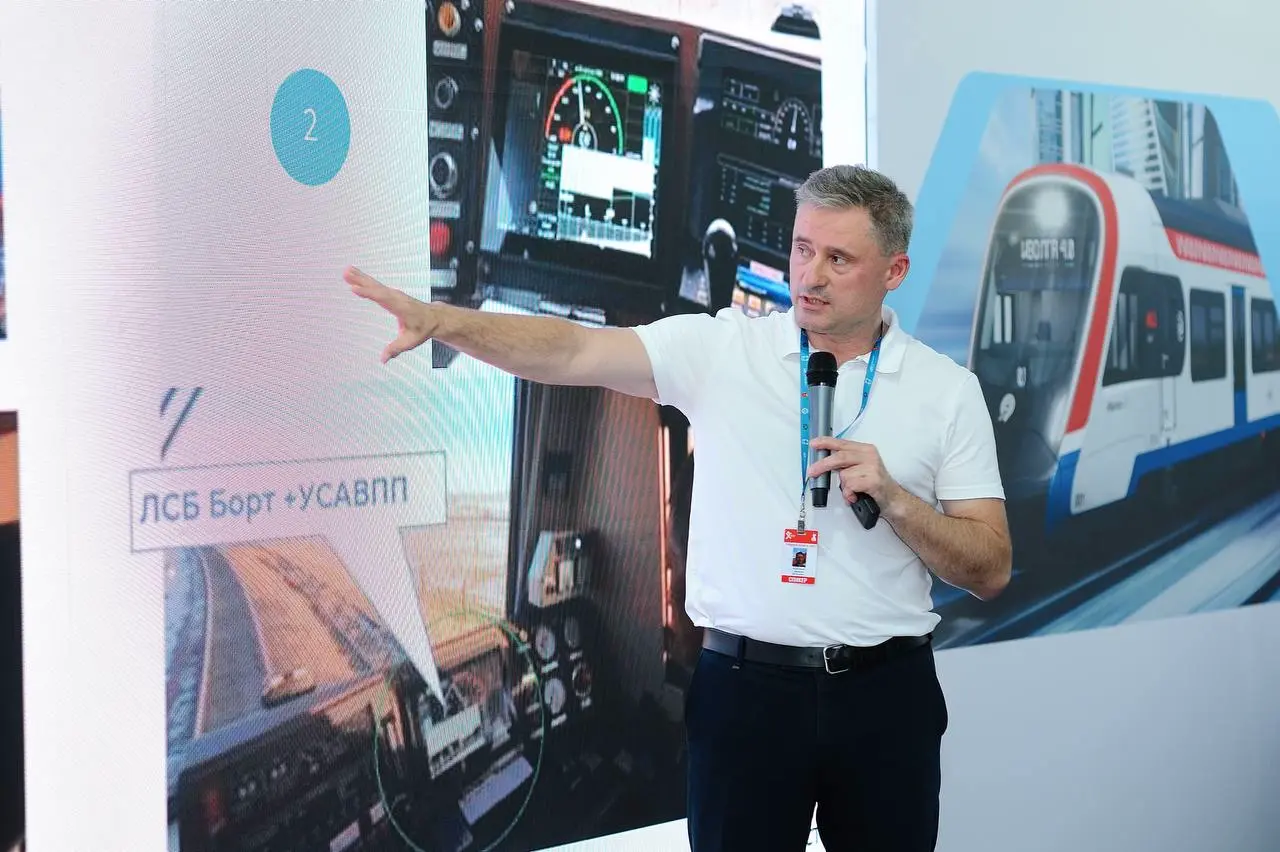
According to Dmitry Volkovsky, 96% of safety violations are related to the human factor, which shows that automation tools are working, but there is still room for their further development.
The BORT system stands out for its intuitive interface, which simplifies the selection of necessary actions and eliminates the need to memorize a large number of codes and enter them while on the move. This reduces the likelihood of errors and makes work easier for locomotive crews.
Among the advantages of the BORT system, Dmitry Volkovsky highlighted the increase in locomotives' inter-service mileage and the reduction in unproductive downtime. Thanks to the system's built-in self-diagnostics, both operational efficiency and equipment reliability are improved.
The BORT decoding workstation also features an automated function for calculating a diesel locomotive's running and standing time, taking engine starts and stops into account. This allows for more accurate tracking of locomotive utilization efficiency and fuel consumption.
"The BORT system helps drivers concentrate better on their work by reducing the number of displays in the cab through the integration of digital subsystems on the locomotive — for example, integrating the safety device with the automatic train control system," Dmitry Volkovsky notes.
The system gives drivers of shunting locomotives improved visibility by showing them the blind zones from the forward-facing cameras on the opposite side of the train, enabling safer shunting operations; on mainline locomotives, it can integrate a side-view mirror function on the monitor. In addition, the available technical solutions make it possible to monitor the pantographs and the overall condition of the train roof while under way.
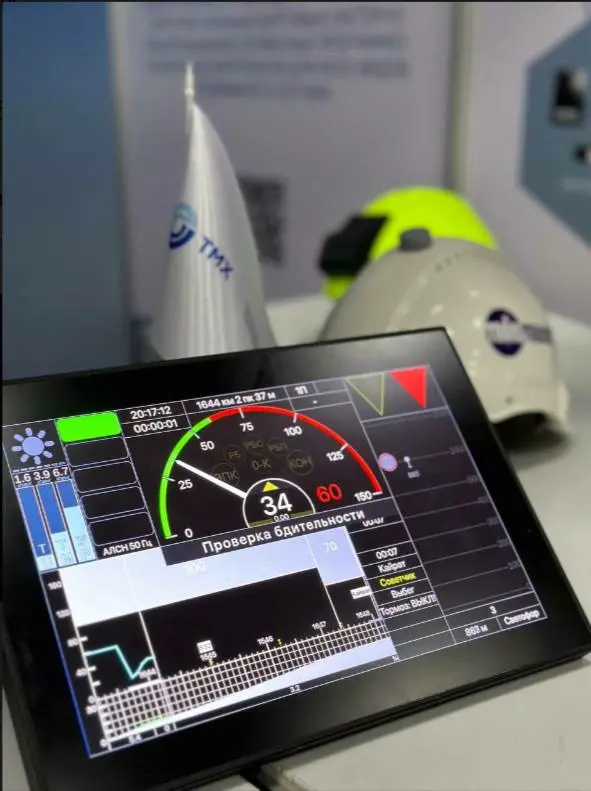
The BORT locomotive traffic safety system is a sought-after product created by Transtelesoft, part of the TMH Intelligent Systems group. It is used on locomotives, electric trains and diesel trains to monitor train movement and prevent accidents. Dmitry Volkovsky, a member of the system's development team, talks about the features of the BORT system:
https://vk.com/@tmh_official-sistema-bort-dlya-bezopasnogo-dvizheniya-podvizhnogo-sostava?clckid=2c5d6b37